
ERSA Gold Coast 
CPAP Trials on the Gold Coast
Try CPAP at home for three weeks before you decide on a machine. We run CPAP trials at our Southport and Upper Coomera clinics, as well as at Ipswich, Springfield Central and Tamborine Mountain. Every trial is set up and monitored by an accredited clinical physiologist, not a salesperson.
Cost
A three-week trial costs $235. If you need more time to settle in, we can extend it.
What's included
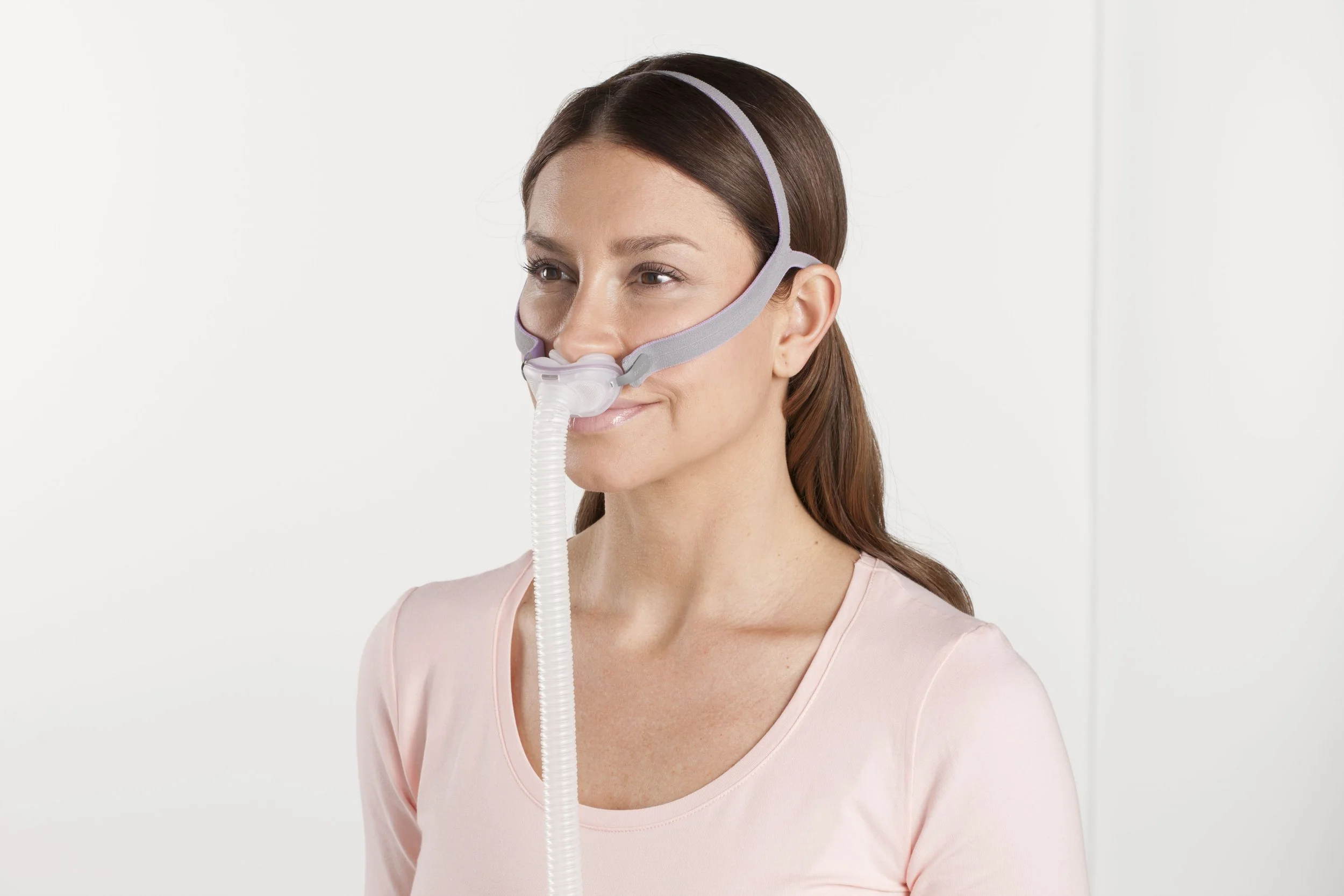
Mask fitting at your first appointment
A mask change during the trial if the first one isn't comfortable
Remote monitoring: your machine sends your nightly data to the cloud, and your physiologist reviews it and checks in with you
ResMed machines as standard, with BMC, Philips and Löwenstein available on request
Before you start
You'll need a sleep study that shows sleep apnoea first. It doesn't have to be one of ours; results from any clinic are fine. You don't need a referral. If you haven't had a sleep study yet, we offer bulk billed home sleep studies for eligible patients.
Your CPAP journey
Check your symptoms. Take our free Sleep Quiz, then talk to your GP.
Home sleep study. Bulk billed for eligible patients. You sleep in your own bed.
Results. Your study is reported by a sleep physician and sent to your doctor.
CPAP trial. Three weeks for $235, set up and monitored by a physiologist.
Choosing your machine. Advice from a physiologist, not a salesperson.
Ongoing support. Mask refits, data checks and the CPAP Portal.
Paying for CPAP
Medicare doesn't cover the cost of a CPAP machine, but there are other ways to get help.
Private health insurance
Many funds cover part of the cost of a machine or masks, depending on your level of cover. Check with your fund before you buy.
Queensland Health Sleep Disorders Program
If you hold a Pensioner Concession Card, Health Care Card or DVA white card, live permanently in Queensland and have significant sleep apnoea, you may be able to borrow a machine through a public hospital sleep service. Your GP can refer you. Commonwealth Seniors Health Card holders aren't eligible.
Essential Medical Equipment Payment
Concession card holders can claim $203 a year from Centrelink to help with the electricity cost of running a CPAP machine. See our Patient Information page for details.
Book a trial
Call 1800 4 SLEEP (1800 475 337) or email admin@ersa.au.

Lung Function Testing Sleep Studies CPAP Trials and Equipment Holter Monitoring Allergen Skin Prick Testing
UPPER COOMERA
Level 1, 21 Coomera Grand Drive, Upper Coomera 4209
Public Transport Information: Click here

Private Health
You will need to check what Sleep products are covered for rebate under your private health fund/policy.
Many funds cover an amount for the device (yearly, 3 yearly, 5 yearly or once off) depending on your level of cover.
Many funds have a separate rebate for CPAP masks/Medical consumables (yearly or once off) depending on your level of cover
Some funds/policies will not cover any sleep related products or devices important for patients to review yearly with fund
Check if there is a particular way your health fund needs to be invoiced to claim, or if supporting documents are needed.

Mask Leak
In CPAP therapy, mask leak is often measured in liters per minute (L/min) to assess the amount of air that escapes from the mask. The level of mask leak is an important factor to consider as it can affect the effectiveness of the therapy and the delivery of the prescribed pressure.
Different CPAP machines and masks may have varying acceptable levels of mask leak. However, a general guideline often followed is to aim for a mask leak rate of less than 24 L/min. This guideline helps ensure that a significant amount of air is being delivered to maintain the desired positive airway pressure.
It's important to note that the 24 L/min threshold is not an absolute value and can vary based on individual factors and specific CPAP equipment. Some machines have algorithms that can detect and compensate for mask leak, allowing for more accurate pressure delivery even with higher levels of leakage.
During a CPAP titration study, which is conducted to determine the appropriate pressure settings for an individual, healthcare professionals monitor mask leak levels to ensure effective therapy. They make adjustments to the mask fit, type, or pressure settings based on the observed leak levels to achieve an optimal balance between minimizing leakage and maintaining comfort.
If you're using a CPAP machine at home, it's recommended to regularly monitor your mask leak levels. Many CPAP machines have built-in features that display mask leak data, allowing you to track the amount of leakage during sleep. By reviewing these measurements, you can identify any significant changes or persistent issues with mask leak and consult with your healthcare provider or a respiratory therapist for further guidance.
It's important to strive for an acceptable level of mask leak to ensure the effectiveness of CPAP therapy. By maintaining a proper mask fit, following appropriate mask maintenance procedures, and addressing any discomfort or issues promptly, you can minimize mask leak and optimize the benefits of CPAP treatment.
